Systematizing Different Types of Interfaces to Interact with Data Trusts
David Acev, Florian Rieder, Dennis M. Riehle, and Maria A. Wimmer
This study conducts a systematic literature review to analyze the various types of interfaces used for interaction with Data Trusts, which are organizations that manage data on behalf of others. The research categorizes these interfaces into human-system (e.g., user dashboards) and system-system (e.g., APIs) interactions. The goal is to provide a clear classification and highlight existing gaps in research to support the future implementation of trustworthy Data Trusts.
Problem
As the volume of data grows, there is an increasing need for trustworthy data sharing mechanisms like Data Trusts. However, for these trusts to function effectively, the interactions between data providers, users, and the trust itself must be seamless and standardized. The problem is a lack of clear understanding and systematization of the different interfaces required, which creates ambiguity and hinders the development of reliable and interoperable Data Trust ecosystems.
Outcome
- The study categorizes interfaces for Data Trusts into two primary groups: Human-System Interfaces (user interfaces like GUIs, CLIs) and System-System Interfaces (technical interfaces like APIs). - A significant gap exists in the current literature, which often lacks specific details and clear definitions for how these interfaces are implemented within Data Trusts. - The research highlights a scarcity of standardized and interoperable technical interfaces, which is crucial for ensuring trustworthy and efficient data sharing. - The paper concludes that developing robust, well-defined interfaces is a vital and foundational step for building functional and widely adopted Data Trusts.
Host: Welcome to A.I.S. Insights, the podcast powered by Living Knowledge. I’m your host, Anna Ivy Summers. Today, we're diving into a critical component of our data-driven world: trust. Specifically, we're looking at a study called "Systematizing Different Types of Interfaces to Interact with Data Trusts".
Host: It's a fascinating piece of research that analyzes the various ways we connect with Data Trusts—those organizations that manage data on behalf of others—and aims to create a clear roadmap for building them effectively. With me to break it all down is our analyst, Alex Ian Sutherland. Welcome, Alex.
Expert: Thanks for having me, Anna.
Host: So, Alex, let's start with the big picture. We all hear about the explosion of data. Why is a study about 'interfaces for Data Trusts' so important right now? What's the real-world problem here?
Expert: It’s a huge problem. Businesses, governments, and individuals want to share data to create better services, train AI, and innovate. But they're hesitant, and for good reason. How do you share data without losing control or compromising privacy? Data Trusts are a potential solution—a neutral third party managing data sharing based on agreed-upon rules.
Expert: But for a trust to work, all the participants—people and software systems—need to be able to connect to it seamlessly and securely. The problem this study identified is that there’s no blueprint for how to build those connections. It's like everyone agrees we need a new global power grid, but no one has standardized the plugs or the voltage.
Host: That lack of standardization sounds like a major roadblock. So how did the researchers approach trying to create that blueprint?
Expert: They conducted a systematic literature review. Essentially, they combed through thousands of academic articles and research papers published over the last decade and a half to find everything written about interfaces in the context of Data Trusts. They then filtered this massive pool of information down to the most relevant studies to create a comprehensive map of the current landscape—what works, what’s being discussed, and most importantly, what’s missing.
Host: A map of the current landscape. What were the key landmarks on that map? What did they find?
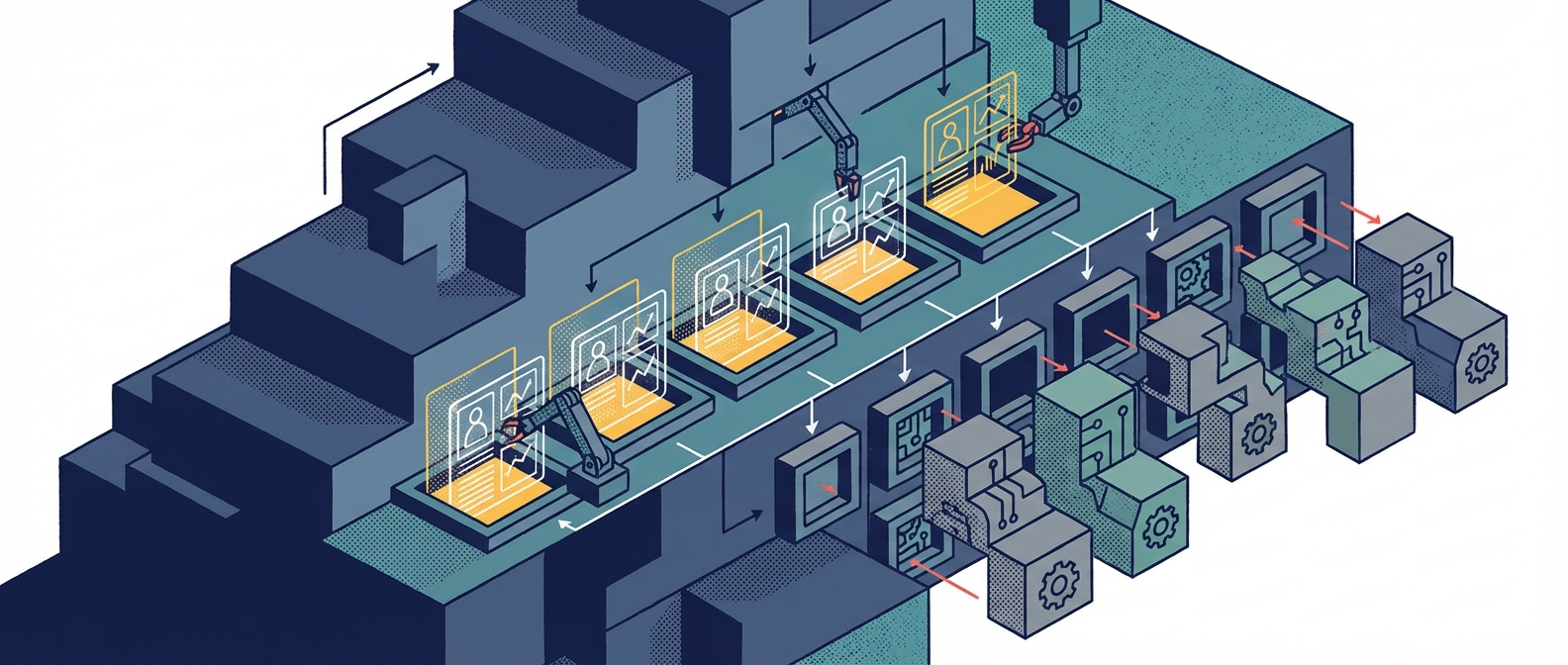
Expert: The clearest finding was that you can group all these interfaces into two main categories. First, you have Human-System Interfaces. Think of these as the front door for people. This includes graphical user interfaces, or GUIs, like a web dashboard where a user can manage their consent settings or view data usage reports.
Host: Okay, that makes sense. A way for a person to interact directly with the trust. What’s the second category?
Expert: The second is System-System Interfaces. This is how computer systems talk to each other. The most common example is an API, an Application Programming Interface. This allows a company's software to automatically request data from the trust or submit new data, all without human intervention. It’s the engine that powers the automated, scalable data sharing.
Host: So, a clear distinction between the human front door and the system's engine. Did the study find that these were well-defined and ready to go?
Expert: Far from it. And this was the second major finding: there are significant gaps. The literature often mentions the need for a 'user interface' or an 'API', but provides very few specifics on how they should be designed or implemented for a Data Trust. There's a real scarcity of detail.
Expert: This leads to the third key finding: a critical lack of standardization. Without standard, interoperable APIs, every Data Trust becomes a unique, isolated system. They can't connect to each other, which prevents the creation of a larger, trustworthy data ecosystem.
Host: That brings us to the most important question, Alex. Why does this matter for the business leaders listening to our podcast? Why should they care about standardizing APIs for Data Trusts?
Expert: Because it directly impacts the bottom line and future opportunities. First, standardization reduces cost and risk. If your business wants to join a data-sharing initiative, using a standard interface is like using a standard USB plug. It's plug-and-play. The alternative is a costly, time-consuming custom integration for every single partner.
Host: So it makes participation cheaper and faster. What else?
Expert: It enables entirely new business models. A secure, interoperable ecosystem of Data Trusts would allow for industry-wide data collaboration that’s simply not possible today. Imagine securely pooling supply chain data to predict disruptions, or sharing anonymized health data to accelerate research, all while maintaining trust and compliance. This isn't a fantasy; it’s what a well-designed infrastructure allows.
Host: And I imagine trust itself is a key business asset here.
Expert: Absolutely. For your customers or partners to entrust their data to you, they need confidence. Having clear, robust, and standardized interfaces isn't just a technical detail; it’s a powerful signal that you have a mature, reliable, and trustworthy system. It’s a foundational piece for building digital trust.
Host: This has been incredibly insightful. So, to recap for our audience: Data Trusts are a vital mechanism for unlocking the value of shared data, but they can't succeed without proper interfaces. This study systematically categorized these into human-facing and system-facing types, but crucially, it highlighted a major gap: a lack of detailed, standardized designs.
Host: For businesses, getting this right means lower costs, powerful new opportunities for collaboration, and the ability to build the tangible trust that our digital economy desperately needs. Alex Ian Sutherland, thank you so much for your insights today.
Expert: My pleasure, Anna.
Host: And thank you to our audience for tuning into A.I.S. Insights. Join us next time as we continue to explore the ideas shaping business and technology.
Data Trust, user interface, API, interoperability, data sharing