Conceptualizing IT Artefacts for Policymaking – How IT Artefacts Evolve as Policy Objects
Karin Väyrynen, Sari Laari-Salmela, Netta Iivari, Arto Lanamäki, Marianne Kinnula
This study explores how an information technology (IT) artefact evolves into a 'policy object' during the policymaking process, using a 4.5-year longitudinal case study of the Finnish Taximeter Law. The research proposes a conceptual framework that identifies three forms of the artefact as it moves through the policy cycle: a mental construct, a policy text, and a material IT artefact. This framework helps to understand the dynamics and challenges of regulating technology.
Problem
While policymaking related to information technology is increasingly significant, the challenges stemming from the complex, multifaceted nature of IT are poorly understood. There is a specific gap in understanding how real-world IT artefacts are translated into abstract policy texts and how those texts are subsequently reinterpreted back into actionable technologies. This 'translation' process often leads to ambiguity and unintended consequences during implementation.
Outcome
- Proposes a novel conceptual framework for understanding the evolution of an IT artefact as a policy object during a public policy cycle. - Identifies three distinct forms the IT artefact takes: 1) a mental construct in the minds of policymakers and stakeholders, 2) a policy text such as a law, and 3) a material IT artefact as a real-world technology that aligns with the policy. - Highlights the significant challenges in translating complex real-world technologies into abstract legal text and back again, which can create ambiguity and implementation difficulties. - Distinguishes between IT artefacts at the policy level and IT artefacts as real-world technologies, showing how they evolve on separate but interconnected tracks.
Host: Welcome to A.I.S. Insights, powered by Living Knowledge. In a world of fast-paced tech innovation, how do laws and policies keep up? Today, we're diving into a fascinating study that unpacks this very question. It's titled "Conceptualizing IT Artefacts for Policymaking – How IT Artefacts Evolve as Policy Objects".
Host: With me is our analyst, Alex Ian Sutherland. Alex, this study looks at how a piece of technology becomes something that policymakers can actually regulate. Why is that important?
Expert: It's crucial, Anna. Technology is complex and multifaceted, but laws are abstract text. The study explores how an IT product evolves as it moves through the policy cycle, using a real-world example of the Finnish Taximeter Law. It shows how challenging, and important, it is to get that translation right.
Host: Let's talk about that challenge. What is the big problem this study addresses?
Expert: The core problem is that policymakers often struggle to understand the technology they're trying to regulate. There's a huge gap in understanding how a real-world IT product, like a ride-sharing app, gets translated into abstract policy text, and then how that text is interpreted back into a real, functioning technology.
Host: So it's a translation issue, back and forth?
Expert: Exactly. And that translation process is full of pitfalls. The study followed the Finnish government's attempt to update their taximeter law. The old law only allowed certified, physical taximeters. But with the rise of apps like Uber, they needed a new law to allow "other devices or systems". The ambiguity in how they wrote that new law created a lot of confusion and unintended consequences.
Host: How did the researchers go about studying this problem?
Expert: They took a very in-depth approach. It was a 4.5-year longitudinal case study. They analyzed over a hundred documents—draft laws, stakeholder statements, meeting notes—and conducted dozens of interviews with regulators, tech providers, and taxi federations. They watched the entire policy cycle unfold in real time.
Host: And after all that research, what were the key findings? What did they learn about how technology evolves into a "policy object"?
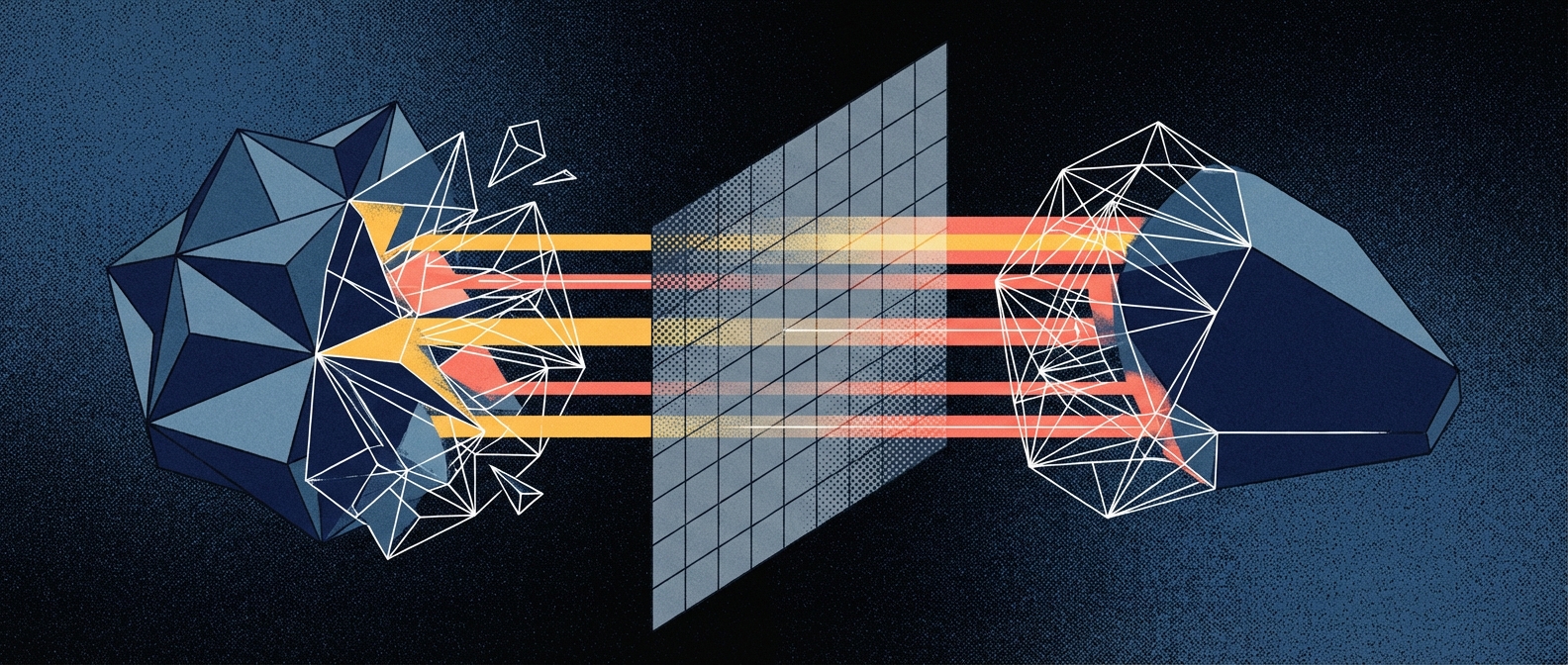
Expert: They developed a fantastic framework that identifies three distinct forms the technology takes. First, it exists as a 'mental construct' in the minds of policymakers. It's their idea of what the technology is—for instance, "an app that can calculate a fare".
Host: Okay, so it starts as an idea. What's next?
Expert: That idea is translated into a 'policy text' – the actual law or regulation. This is where it gets tricky. The Finnish law described the new technology based on certain functions, like measuring time and distance to a "corresponding level" of accuracy as a physical taximeter.
Host: That sounds a little vague.
Expert: It was. And that leads to the third form: the 'material IT artefact'. This is the real-world technology that companies build to comply with the law. Because the policy text was ambiguous, a whole range of technologies appeared. Some were sophisticated ride-hailing platforms, but others were just uncertified apps or devices bought online that technically met the vague definition. The study shows these three forms evolve on separate but connected tracks.
Host: This is the critical part for our listeners, Alex. Why does this matter for business leaders and tech innovators today?
Expert: It matters immensely, especially with regulations like the new European AI Act on the horizon. That Act defines what an "AI system" is. That definition—that 'policy text'—will determine whether your company's product is considered high-risk and subject to intense scrutiny and compliance costs.
Host: So, if your product fits the law's definition, you're in a completely different regulatory bracket.
Expert: Precisely. The study teaches us that businesses cannot afford to ignore the policymaking process. You need to engage when the 'mental construct' is being formed, to help policymakers understand the technology's reality. You need to pay close attention to the wording of the 'policy text' to anticipate how it will be interpreted.
Host: And the takeaway for product development?
Expert: Your product—your 'material IT artefact'—exists in the real world, but its legitimacy is determined by the policy world. Businesses must understand that these are two different realms that are often disconnected. The successful companies will be the ones that can bridge that gap, ensuring their innovations align with policy, or better yet, help shape sensible policy from the start.
Host: So, to recap: technology in the eyes of the law isn't just one thing. It's an idea in a regulator's mind, it's the text of a law, and it's the actual product in the market. Understanding how it transforms between these states is vital for navigating the modern regulatory landscape.
Host: Alex, thank you for breaking that down for us. It’s a powerful lens for viewing the intersection of tech and policy.
Expert: My pleasure, Anna.
Host: And thank you to our audience for tuning into A.I.S. Insights. Join us next time as we translate more knowledge into action.
IT Artefact, IT Regulation, Law, Policy Object, Policy Cycle, Public Policymaking, European Al Act