Designing and Implementing Digital Twins in the Energy Grid Sector
Christian Meske, Karen S. Osmundsen, Iris Junglas
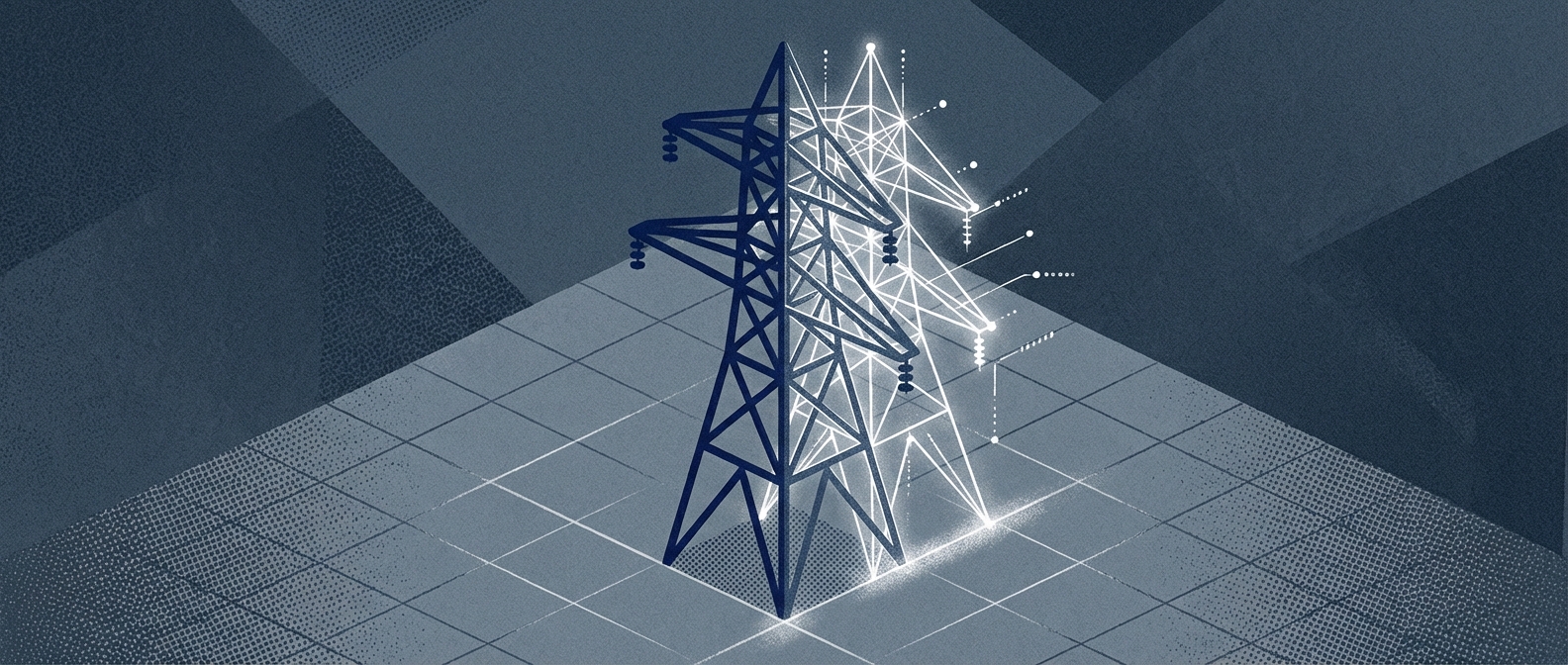
This study analyzes the case of a Norwegian power grid company and its technology partners successfully designing and implementing a digital twin—a virtual replica—of its energy grid. The paper details the multi-phase project, focusing on the collaborative development process and the organizational changes it spurred. It serves as a practical guide by providing recommendations for other companies embarking on similar digital transformation initiatives.
Problem
Energy grid operators face increasing challenges from renewable energy integration, climate change-related weather events, and aging infrastructure. While digital twin technology offers a powerful solution for monitoring and managing these complex systems, real-world implementations are still uncommon, and there is little practical guidance on how to successfully develop and deploy them.
Outcome
- The digital twin provides real-time and historical insights into the grid's status, enabling proactive maintenance, prediction of component failures, and more efficient management of power loads. - It serves as a powerful simulation tool to model future scenarios, such as the impact of increased electrification from electric ferries, allowing for better long-term planning and investment. - Successful implementation requires a strong focus on organizational learning, innovative co-creation with technology partners, and continuous feedback from end-users throughout the project. - The project highlighted the critical importance of evolving data governance, forcing the company to tackle complex issues of data security, integration, and standardization to unlock the full potential of the digital twin.
Host: Welcome to A.I.S. Insights, the podcast powered by Living Knowledge, where we translate complex research into clear business strategy. I'm your host, Anna Ivy Summers. Host: Today, we're diving into a fascinating study from MIS Quarterly Executive titled "Designing and Implementing Digital Twins in the Energy Grid Sector". Host: It analyzes how a Norwegian power grid company built a virtual replica of its entire energy network. It's a look under the hood of a massive digital transformation project, offering a guide for any company considering a similar leap. Host: To help us unpack this, we have our expert analyst, Alex Ian Sutherland. Welcome, Alex. Expert: Great to be here, Anna. Host: Alex, before we get into the solution, let's talk about the problem. Why would an energy company undertake such a complex and expensive project? What challenges are they facing? Expert: It's a perfect storm, really. Grid operators are dealing with aging infrastructure, but at the same time, they're facing huge new pressures. Expert: The study highlights things like integrating unpredictable renewable energy from wind and solar, and the increasing frequency of extreme weather events that can physically damage the grid. The old ways of managing the system just aren't enough to handle this new level of complexity. Host: So they’re trying to manage a 21st-century energy landscape with 20th-century tools. Expert: Precisely. And while a digital twin—this virtual replica—seems like the perfect answer, the study points out that successful real-world examples are rare, and there isn't a clear roadmap for companies to follow. Host: So how did the researchers approach this? How did they create that roadmap? Expert: They took a very practical, in-depth approach. They conducted a multi-year case study of the Norwegian company, which the study calls 'GridCo', and its technology partner, 'DigitalCo'. Expert: Over three years, they followed the project through three distinct phases: first, generating ideas; second, experimenting and building prototypes; and third, specifying and scaling the final solution. It was about observing the real process, not just the technical specifications. Host: Let's get to the results of that process. What did they find? What can this digital twin actually do for the company? Expert: The outcomes were powerful. First, it gives operators a live, interactive map of the entire grid. They can see the real-time status of any component, look at historical data to spot trends, and even predict component failures before they happen. This allows them to move from being reactive to proactive with maintenance. Host: That alone sounds like a game-changer, preventing power outages before they occur. What else? Expert: The second major finding was its power as a simulation tool. The study gives a fantastic example: Norway plans to make its entire passenger ferry fleet electric. Host: That must put a massive new strain on the grid. Expert: An enormous strain, every time a ferry docks to recharge. With the digital twin, GridCo could simulate that exact scenario. They could see where the grid would be overloaded and plan for the necessary upgrades *before* the first electric ferry was even launched. It's essentially a crystal ball for infrastructure planning. Host: That’s incredible. The summary also mentions that organizational learning and collaboration were key findings. It wasn't just about the tech, then? Expert: Not at all, and this is maybe the most important takeaway. The study found that success was completely dependent on the deep collaboration—what they call "innovative co-creation"—between the grid experts and the technology developers. Expert: It also forced the company to fundamentally tackle its data governance. Energy grid data is incredibly sensitive. They had to build new systems for data security, integration, and standardization to make the whole thing work. The technology forced a necessary, and difficult, organizational change. Host: This brings us to the crucial question for our listeners, Alex. This is a study about an energy company in Norway. Why should a logistics director or a factory manager care about this? What's the big business takeaway? Expert: There are three key takeaways for any leader in any industry dealing with physical assets. First, a digital twin project is not an IT project; it's a business transformation project. The biggest value comes from the new ways of working and the organizational learning it forces. Host: So the process itself creates value, not just the final product. Expert: Exactly. Second, the technology must solve a real, high-stakes business problem. For GridCo, it was managing the green energy transition. For a manufacturer, it might be reducing factory downtime. The business need has to drive the technology, not the other way around. Expert: And third, you have to build it *with* your end-users, not *for* them. The study emphasizes that constant feedback from the grid operators was essential. Using workshops, prototypes, and a step-by-step process ensures you build a tool that people will actually use and that provides real value. Host: Wonderful insights. So, to summarize for our audience: digital twins are powerful, but their true potential is unlocked when they are used as a catalyst for broader change. Host: Success requires deep collaboration, a focus on solving core business problems, and a commitment to evolving your organization—especially how you govern and use data. Host: Alex Ian Sutherland, thank you for making this complex study so clear and actionable. Expert: My pleasure, Anna. Host: And thank you for tuning into A.I.S. Insights, powered by Living Knowledge. Join us next time as we continue to bridge the gap between academic research and real-world results.
Digital Twin, Energy Sector, Grid Management, Digital Transformation, Organizational Learning, Co-creation, Data Governance